Why I Started Using Rabby — and Why You Might Want To, Too
Okay, so check this out—my first impression of browser wallets was messy. They felt clunky and a little unsafe. Really. My instinct said: this could be better. Hmm… that’s the understatement of the year. Initially I thought all wallets were roughly the same, but then I dug in and found clear trade-offs.
Whoa!
I remember installing a popular extension one late night while sipping bad coffee. It worked, sort of. Transactions sometimes stalled. Networks got confused. Fees popped up in ways I didn’t expect. That part bugs me. I’m biased, but I value clarity and speed. My job has me testing wallets for months at a time. So when I first tried Rabby I was skeptical. Honestly, something felt off about yet another wallet claiming «better UX».
Seriously?
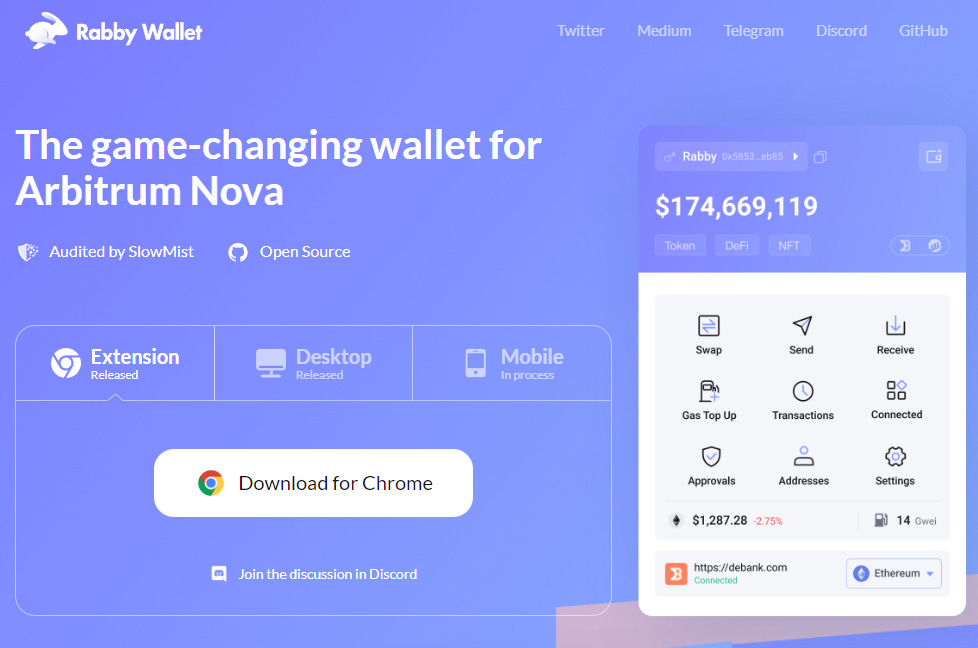
At first glance Rabby looks familiar. The interface is clean. The setup felt fast. But here’s the thing: the difference is in the details and the flow, and those small pieces add up. Initially I thought it was just a polished UI, but then I realized the extension is built around practical DeFi behaviors—like batching approvals, showing gas estimates across networks, and grouping tokens logically—which saves time and mistakes. Actually, wait—let me rephrase that: Rabby’s UX anticipates common errors and surfaces choices before you commit, and that alone reduces stress.
Whoa!
Let me break down why it stuck with me. First, risk friction is minimized. Not removed. Minimized. The extension nudges you when an approval is risky. It shows token allowances and gives one-click revoke options when you want to clean up permissions. That’s huge. On one hand many wallets let you approve with a single tap. On the other hand standing up to UX friction pays off when your funds are at stake. Though actually, the balance between too many prompts and none at all is subtle.
Hmm…
Second, network switching is less painful. A lot of extensions hide network errors behind cryptic messages or force you to fiddle with RPCs. Rabby simplifies that layer, presenting network options and gas recommendations aligned with the chain you picked. That reduces accidental sends on the wrong chain, which, trust me, has happened to people more than you think. (Oh, and by the way, that wrong-chain panic is a real thing.)
Whoa!
Third, power user features exist without intimidation. You can batch multiple transactions into a single flow. You can reorder transactions and preview changes before signing. For someone who trades, arbitrages, or farms across protocols, those micro-optimizations matter. They shave seconds and reduce tiny errors that cost real money. My instinct said these were niche perks at first, but then I used them daily and couldn’t imagine going back.
Seriously?
Now, a short confession: I’m not 100% sure every single advanced feature will matter to casual users. I’m not trying to sell you on complexity. But if you tinker with DeFi—if you bridge, stake, or interact with contracts frequently—these features feel like quality-of-life improvements rather than gimmicks. I’m biased toward practical tools that scale with usage. Rabby fits that pattern.
Whoa!
Security posture. Let’s talk about it for a second. Browser extensions live in a weird threat environment. They run inside a browser that you also use for social, email, and sometimes less careful browsing. Rabby tries to compartmentalize risks. It isolates background processes and gives clearer transaction metadata so you know what you’re signing. That doesn’t make it bulletproof, of course. No extension is a silver bullet. But the team’s approach to minimizing attack surface and making approval flows explicit felt thoughtful to me.
Here’s the thing.
Usability sometimes masks poor security, though. On one hand a streamlined flow reduces mistakes; on the other hand too much automation can desensitize users. Rabby walks a middle line by exposing allowances, gas impact, and contract data in readable chunks. Initially I thought that would overwhelm new users, but actually the UI layers information, revealing deeper details only when you ask. That progressive disclosure is smart design—simple by default, deep when needed.
Whoa!
Integration is decent. It plays nicely with most DeFi sites I test. WalletConnect support is there if you need mobile bridge sessions. They also maintain a focused approach—no forced bloated features or weird token airdrops to bait clicks. I like that restraint. It keeps the extension lean and focused on the wallet’s core job: keeping keys safe and transactions clear.
Hmm…
Now, about the app: Rabby offers a companion experience beyond the browser, which I found helpful. The app lets me check recent activity, revoke allowances on the go, and manage chains without opening my desktop. Initially I thought the app might be redundant, but it turned out to be a genuinely handy auxiliary tool for quick checks when I’m away from my desk. It’s not a replacement for a hardware wallet, though—just a strong, practical second line of defense.
Whoa!
Let me add a few practical notes based on real use. Always pair with a hardware wallet if you handle large amounts. Backups are non-negotiable—write down your seed phrase and store it offline. Test small transactions when interacting with new contracts. And keep your extension updated; Rabby pushes updates that patch UI and security issues, and yes, that matters.
Okay, small tangent—I’m picky about support. Rabby’s documentation is surprisingly crisp. There are some community threads and clear guides. That helped when I was troubleshooting a network RPC oddity. Not every support doc is perfect, and some edge cases need more clarity, but the baseline guides saved me time.
How Rabby Fits Into My Daily DeFi Routine
I use different wallets for different roles. Rabby sits in the «active trading and DeFi playground» slot. It’s my go-to when I need speed, clear approvals, and reliable network switching. I leave cold storage for long-term holdings. This split reduces anxiety. My workflow: small test sends, confirm contract interactions, batch ops when moving across protocols. Rabby speeds a lot of that up without making me feel like I sacrificed security.
I’m not perfect about risk management either, so I treat the extension like a powerful power tool: it does great work when handled properly, but misuse causes cuts. Somethin’ like that.
Here’s a practical pro tip: review allowance screens before approving. It takes seconds and often prevents months of headache. Rabby surfaces those allowances better than many other extensions, which is why I prefer it for active DeFi play.
Whoa!
If you’re curious to try it, the download flow is straightforward and quick. I prefer installing via official sources to avoid impostor extensions. For the version I used and tested, you can check the official extension offering here: rabby. Keep your wits about you, though—extensions are convenient, not invulnerable.
FAQ
Is Rabby safe for beginners?
Short answer: it’s friendly, but beginners should learn basics first. The UI is approachable and it provides useful safety nudges. However, seed phrases, hardware wallet pairing, and allowance management are foundational skills worth practicing. Start small and learn by doing.
Can I use Rabby with a hardware wallet?
Yes. Pairing with a hardware wallet is supported and recommended for high-value accounts. Use Rabby for convenience flows and the hardware device to sign critical transactions when possible.
Does Rabby support multiple chains?
It supports many EVM-compatible chains and common RPCs. Some niche chains may need manual RPC configuration. The extension helps with network switching, but always double-check RPC details if you add a new chain.